Smart learning depends on exercise

Written by: Ms. Fung Chi Hei, Game Therapist, Lok Sin Tong Leung Kau Kui Primary School


I previously participated in a professional exchange activity for teachers in Taiwan and was impressed by the emphasis on using exercise to cultivate children’s growth in the Taiwanese education system. This experience provided new inspiration, which I hope to share with parents. One of the schools visited during the exchange can be described as the elementary school version of a sports academy. Upon entering the school, the students welcomed the visitors with a government-promoted fitness routine. They performed various warm-up exercises in unison, exuding a lively spirit akin to tiger cubs, making me feel like they had truly entered a forest full of tiger cubs.


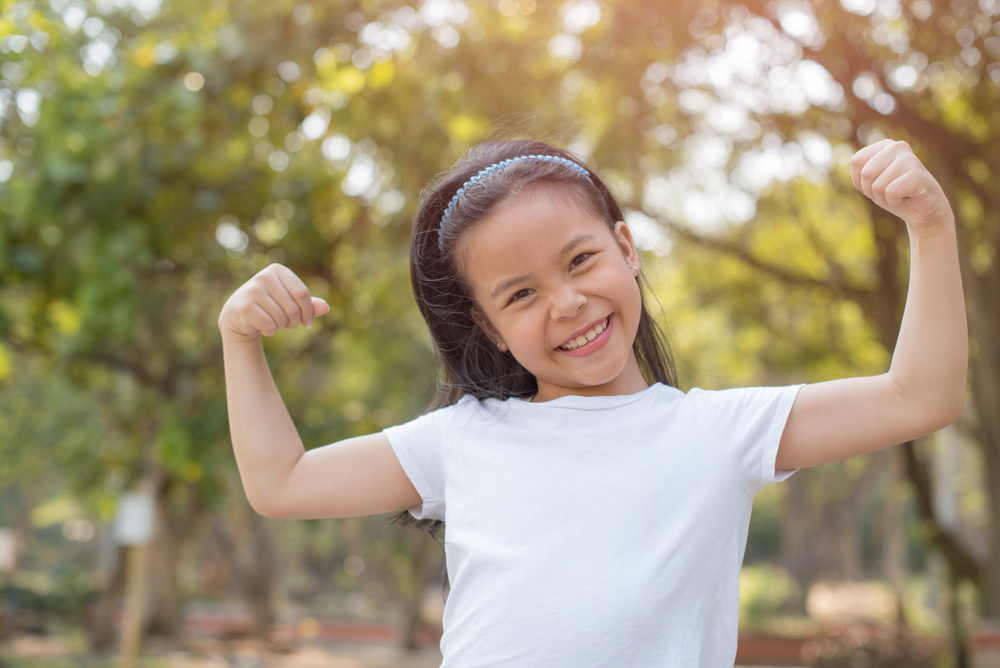
Exercise Strengthens Children’s Learning Abilities

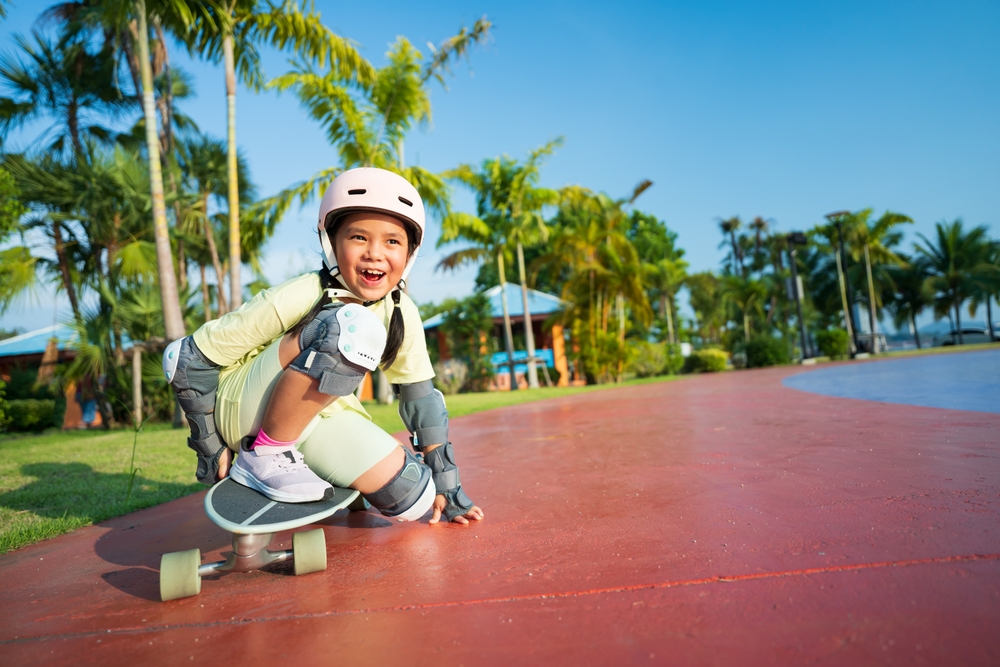
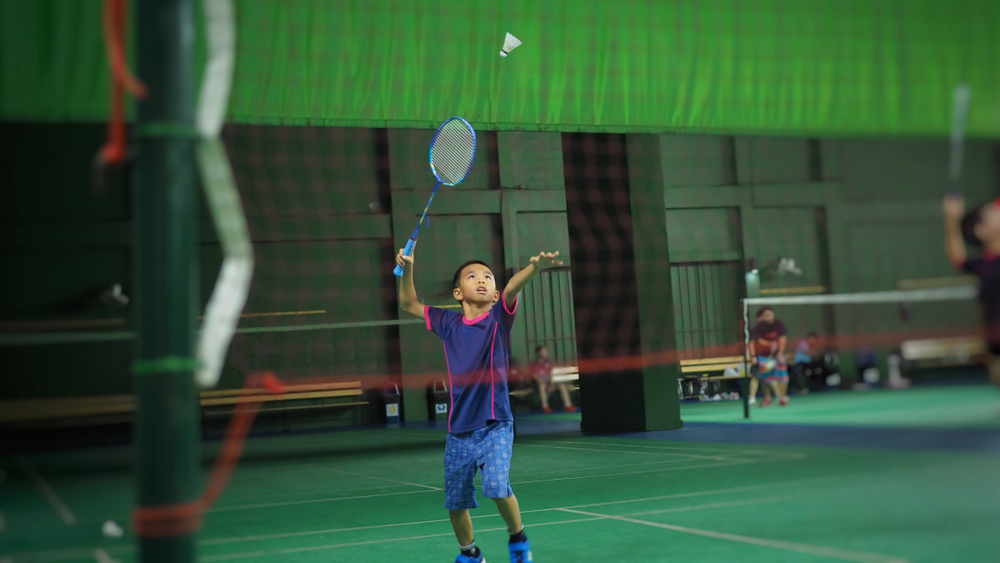
Principal Liu of the Tiger Forest Elementary School stated that the school is a key focus school designated by the government, with a special emphasis on students’ physical development. The school believes that exercise can strengthen students’ learning abilities. They have adopted the “Anytime Exercise” program based on the research of John J. Ratey, MD, a clinical assistant professor of psychiatry at Harvard Medical School. This program advocates for students to be engaged in exercise at all times, hence the name “Anytime.” During breaks, students would run to any part of the playground to exercise, some playing dodgeball, some climbing the monkey bars, and others playing badminton. All students enjoy every moment of exercise.
The Benefits of Exercise: Strengthening Brain Function


It is well known that exercise has the effect of strengthening the body, and in Ratey’s research, he pointed out more about the benefits of exercise on the brain. He described the brain as the center for processing information, transmitting messages through different pathways using various transmitters (chemicals). During exercise, the brain can effectively produce more transmitters and strengthen pathways, allowing messages to be transmitted faster and more accurately.

Applying this theory to learning, students can enhance their brain function through exercise, thereby improving their learning effectiveness. Research has confirmed that exercise can improve students’ concentration and memory, both of which are essential for successful learning. Furthermore, exercise can stimulate the brain to produce dopamine (a chemical that brings happiness), enabling students to learn joyfully, which naturally leads to better academic performance.


How to Make Children Love Exercise?


For children to enjoy the time and benefits of exercise, parents must help them develop a love for exercise. Here are three suggestions:

  1. Anytime Exercise

Provide children with more opportunities for exercise, suitable time, tools, and space, while ensuring the safety of the environment.

  1. Healthy Exercise

Teach children to exercise for the sake of their health and emphasize the benefits of exercise on health.

  1. Exercising Together

Exercise with children more often, enjoy the moments of exercise and savor the wonderful time with family.
How to reduce the side effects of rewards?

Written by: Pang Chi Wah, Registered Educational Psychologist at the New Horizons Development Centre


Some parents have the following thoughts about rewards: “The original intention was to praise the child’s good performance, but now the reward seems to have become a bribe.” “He has become utilitarian, calculating the degree of his effort based on the size of the reward.” “Sometimes I even feel that the child has become greedy. The rewards that once attracted him no longer have the original effect. Only by providing richer rewards is he willing to make an effort.”

In fact, in the commercial society where adults are located, bosses also use rewards and bonuses to praise employees’ outstanding work performance and inspire employee morale. Many early childhood education experts have also proposed a reward system, using children’s favorite food, toys, etc., to train and cultivate their good behavior habits. Rewards have become our usual way, but parents’ worries are not unfounded. How can we reduce the side effects of rewards?

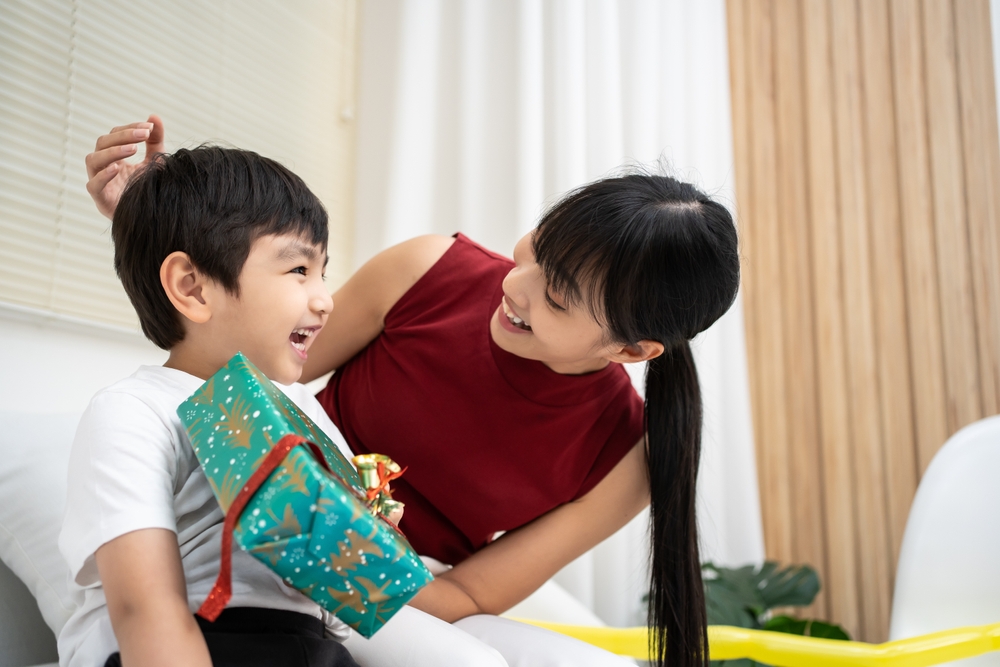
There are mainly two directions to reduce the side effects of rewards. One is that parents can change the type of rewards, and at the same time, they must not encourage children with money, otherwise it will make children prioritize money and everything will be based on materialism. The rewards given by parents can be changed from one-time enjoyment such as food, gradually transformed into long-term gifts, such as entertaining toys, academic stationery, etc., and later can be rewarded spiritually, such as parents giving certificates, applause and other non-material encouragement.

The second approach is that parents can gradually reduce the proportion of rewards given according to the following three criteria:

  1. Increase the number of expected behaviors completed by the child before giving a reward.

Example: If parents expect the child to put the toys away in the toy box after playing, initially, parents may need to give stickers as encouragement for the child to be willing to tidy up the toys; afterwards, the child should put the toys in the toy box several times on their own before the parents give sticker rewards.


  1. Raise the standard of requirements according to the child’s performance, and only give rewards after the child completes behaviors of higher difficulty.

Example: Initially, as long as the child puts all the toys in the box, they can be given sticker encouragement. Then the requirements can be raised, the child needs to put all the toys in the box, and carefully organize the toys and place them properly to get the sticker.

  1. When the child is relaxed and happy or makes a request, parents can make demands on the child without providing rewards.

Example: The child requests to watch their favorite TV show, the parent proposes that the child needs to tidy up the toys into the toy box before they can watch TV.


Through these two principles, parents can systematically dilute the function of external material rewards, let children internalize the motivation behind completing good behaviors, gradually reduce dependence on external encouragement, and make them gain a sense of success from within as the main source of their learning motivation.

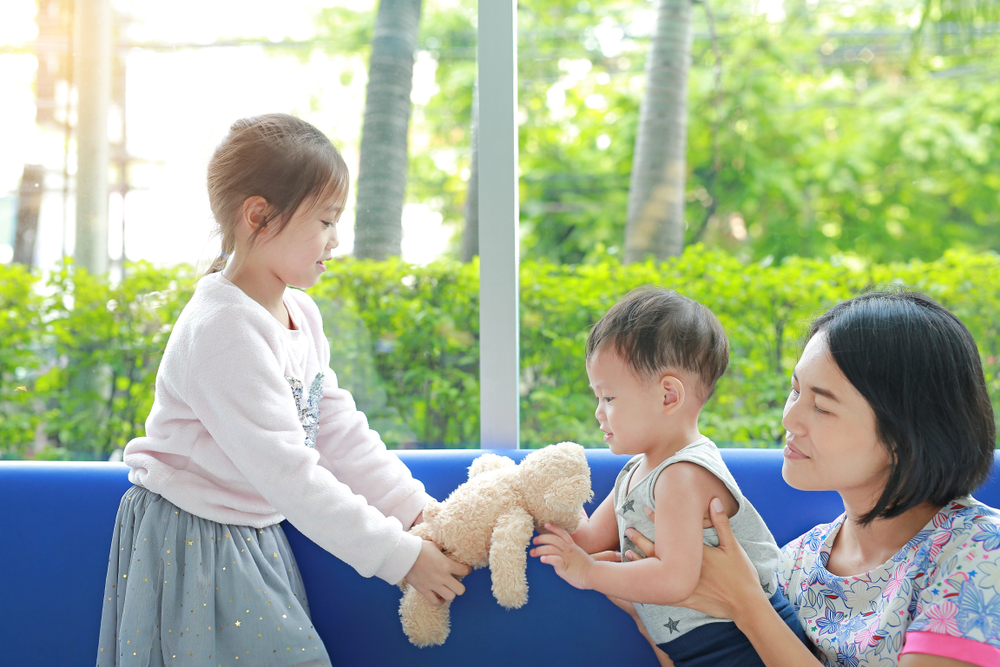
Willing to share – Parents set an example

Written: Education expert, Cheung Wai Ching


The crow accidentally found a piece of soap. After washing its feathers in the basin, the crow became fragrant all over. Deciding to share this soap with other animals, the mouse, rabbit, little monkey, and big bear all took turns using it. Finally, it was the elephant’s turn. After the elephant finished bathing, the soap was nowhere to be found. The crow found it strange and anxious, thinking the elephant was playing a joke on it. The crow, with a kind heart, shared its good thing with its friends, but in the end, the item was gone. We all know that soap gets smaller as it is used, which is an inevitable fact. The crow didn’t expect that its well-intentioned sharing would result in losing what it originally possessed. Although the crow was a bit reluctant to part with its soap, when it smelled the soap fragrance emanating from its good friends, it felt happy and thought it didn’t matter.

With an increasing number of single-child families in society, coupled with busy parents compensating with material things, children tend to think that everything is for their exclusive enjoyment, and others are not allowed to touch. In such situations, what can parents do?

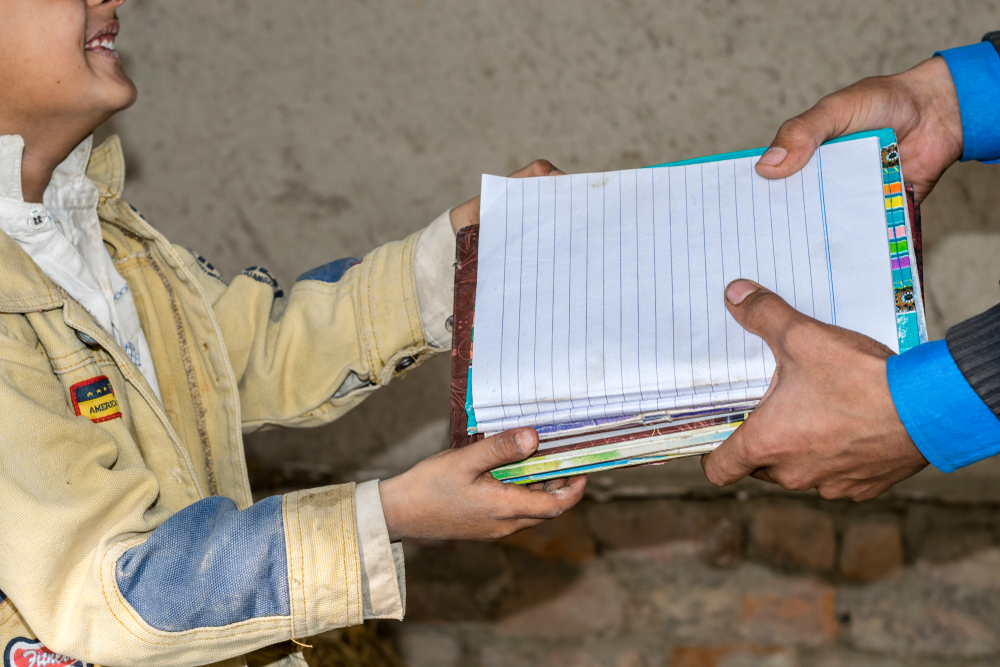
The joy of sharing is an abstract emotion that requires the accumulation of years along with the experiences of many life events. It is not something that can be achieved overnight. The most effective education on sharing comes from the example set by parents and educators. There is a lady who works as the chief editor in a publishing house. During her daughter’s summer vacation, she took her to the office. At that time, the company was handling a batch of books donated to children in remote areas, totaling a few hundred books.

The daughter asked her, “Mom, do you have to donate so many books? You could sell them for a lot of money! You might incur a huge loss this way. Can’t you donate fewer books?” The lady replied, “No one is telling me how much to donate, and no one is forcing me to do it. It’s my own choice. What are you worried about?” The little girl said, “I’m afraid you’ll donate all the books, and we’ll lose too much. Then we won’t have any money ourselves!” The lady teased, “Well then, I won’t donate at all. After all, those other kids aren’t my children. Why should I care if they have money to buy books?” Playing along, the mom intentionally teased her daughter. The girl clarified hastily, “I didn’t mean not to donate at all. I just meant you should donate fewer books! Keep some for later, and donate gradually!”

The mom, who works as an editor, told her, “Daughter, if I take these books to sell and make money, our family would certainly be happy. But now that I’ve donated the books, many children will be happy because they have books to read. I will also be happy because these books may give them some hope and dreams for life and the future. My happiness cannot be measured in terms of money.”

Parents are the best role models for children. In daily life, when parents show care and assistance to others, it naturally has a subtle influence on their children. Parents should set an example of sharing with others, regularly taking the initiative to care for and assist others. The place where the author lived during childhood was populated with many residents, resembling what Cantonese films call “one floor, fourteen households.” Although having many people naturally leads to friction, neighbors were accustomed to sharing delicious snacks they made with everyone. Additionally, in daily life, common items such as oil, salt, soy sauce, and vinegar were borrowed from one another. These small acts cultivated a sense of sharing in our generation.

The emphasis in “Willing to Share” is on the word “joy.” It is about feeling genuine happiness from being able to share with others. Only those who are truly tolerant, generous, and enthusiastic are willing to share with others. Similarly, only those who are genuinely confident, kind, and open-minded are happy to do so. In other words, if children can truly enjoy sharing, they possess all the valuable qualities mentioned above, which are more important than achieving good grades.

Enhancing Resistance through Lifestyle Habits

Written by: Registered Public Health Nutritionist (UK) and Nutritionist, Ng Pui Yu

In my online community, parents often ask, “What should children with sensitive airways/frequent colds eat to strengthen their immunity?”

When children are sick, it’s not only hard for them but also for parents who care for them day and night. There are many viruses that can cause colds, and since young children haven’t been exposed to them before, they haven’t developed the necessary antibodies, making them more susceptible to illness. It’s normal for young children to have 6 to 8 or even more colds in a year. Additionally, immune health is related to conditions like nasal sensitivity, airway sensitivity, and eczema.

Of course, if lifestyle habits can be improved to enhance immunity, recovery from illness can be faster.


Daily Exercise for a Strong Physique

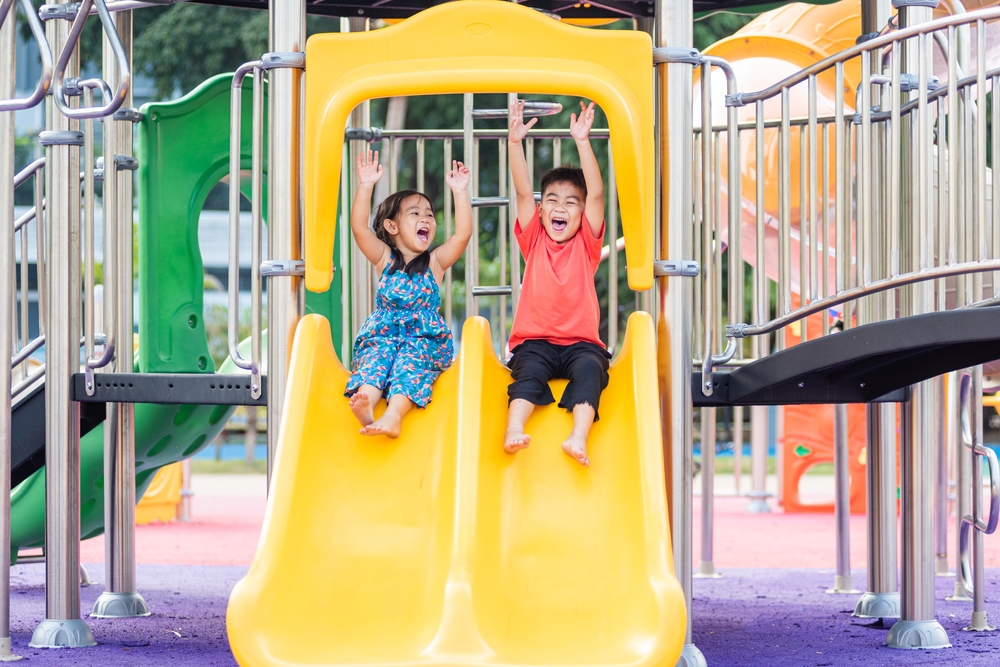
 Today’s children lead busy lives, attending school, extracurricular activities, and tutoring classes daily. Moreover, most parents work full-time, limiting the opportunities for their children to engage in physical activity. Besides paying attention to a child’s diet, it is crucial for parents to schedule 30 to 60 minutes of exercise for their children each day. Even activities like running, climbing, playing on slides, and swinging in the park are sufficient. Developing a habit of regular exercise should start from a young age. The author’s child, during the school years, has already begun the practice of going to the park 1 to 2 times a day, adapting to indoor playrooms on extremely hot or rainy days.

Early to Bed, Early to Rise for Good Health

According to a study by the Chinese University of Hong Kong, many children face the issue of insufficient sleep. They may be reluctant to go to bed due to busy homework schedules, waiting for parents to return home from work, and various other reasons. Some children may stay awake until 11 pm or even later. If this is the case, it becomes more likely for them to fall ill, experience poor concentration, and exhibit inadequate emotional control. Therefore, the author’s child typically goes to bed around 9:30 pm. If possible, an even earlier bedtime is recommended!

Is parent-child reading becoming stressful?

Parent-child reading senior worker: Choi EE


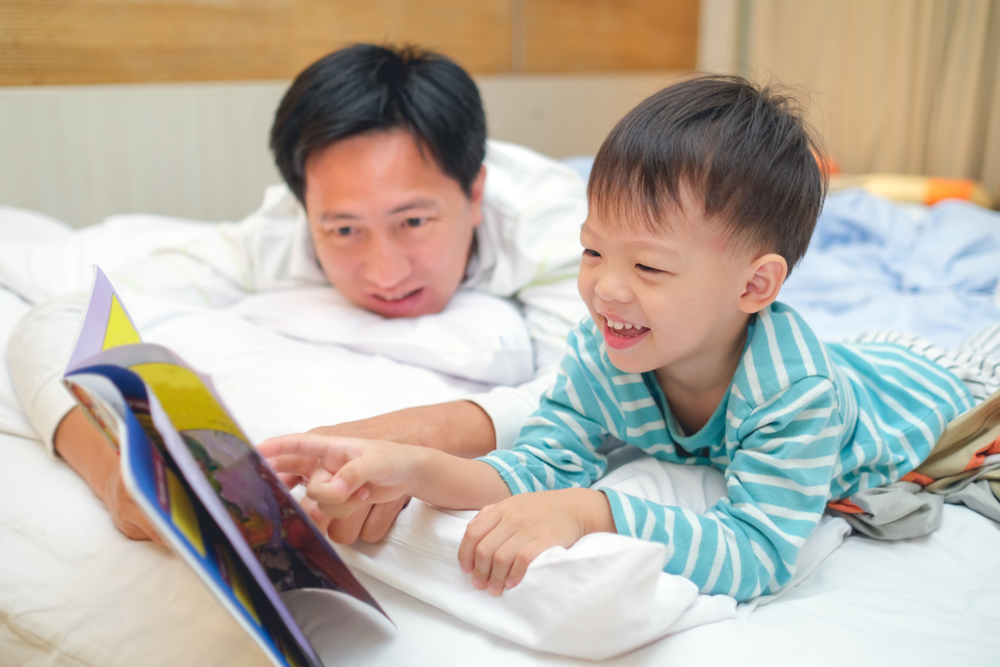
Do you have kids who insist on you telling them stories? And not just any stories, they want you to keep going. When you come home from work, they have a stack of books and won’t eat until you finish all of them or want you to keep going for two hours. This is a common issue that I frequently encounter in my lectures. Parents, think about it: when you engage in parent-child reading with your kids, what do you hope for the most?


You certainly hope to create a warm memory because when they listen to your stories, they are especially well-behaved and feel secure. However, if the children turn listening to stories into your stress, demanding many stories, even refusing to listen to others, and only wanting to hear you as if they’re monopolizing your personal time, you should consider how to resolve this issue for yourself.

I suggest that in the context of parent-child reading, spend a good 15 to 20 minutes sharing a story with your child, and even half an hour is fine. However, if you find yourself spending two hours each day telling them an entire book, and they still feel unsatisfied and demand that you keep going as if they’re controlling you, it’s no longer a parent-child reading relationship but more of a tutoring relationship. We should set an example and tell the child, “I need to have some personal time. Today, storytime is 15 minutes, and Mom will tell you two books. After we’re done, we can do other things, or we can discuss the story we just read while you’re playing or eating.”


You shouldn’t turn into a radio, constantly narrating stories like a recording machine, as that’s not what we want in parent-child reading. So, parents, remember that when your child asks you to tell a story, it’s a joyful moment. We shouldn’t be afraid of telling stories to our children. Instead, we should control our time, casually finish a story in about half an hour, and then have a meal together or engage in play, followed by discussing the story. I believe that in a quality parent-child reading relationship, children will develop a greater love for reading and see it as a path to new horizons.

Be a parent with multiple expressions and poses!

Written: Founder & Volunteer Director of Good Love Passion, Lam Ho Pui Yee


When a child is around 6 months old, they start babbling, constantly making sounds and single words. They also enjoy playing with toys that make sounds. However, even before they learn to speak, they already understand how to communicate with the people around them using crying, sounds, facial expressions, gestures, or body language. In fact, children first learn to communicate with people using facial expressions and gestures, then they learn verbal communication, and finally, they learn to communicate through text. Therefore, accurately recognizing other people’s facial expressions helps in assessing their emotions and attitudes, thus influencing a child’s cognitive development, emotional development, and social skills. Parents’ facial expressions, actions, and postures are often what children find most attractive.


Children observe and respond to their parents’ facial expressions and emotions. For example, a gentle expression can make them feel comfortable communicating with you, a smile can boost a child’s confidence in expressing themselves, and a nod from parents indicates acceptance. Through these developments, children gradually understand, learn, and care about people’s emotions. Different parts of the body express emotions in various ways, and expressions can be categorized into facial expressions, body expressions, and verbal expressions.


To establish good parent-child communication, parents need to pay attention to several aspects:


1.When children cannot clearly see their parents’ facial expressions, it is recommended to use actions as a substitute for speech responses. For example, hugging them tightly, giving them a kiss, gently stroking their hair, or gently touching their cheeks are all important non-verbal communication methods.

  1. If parents can embody a childlike and expressive role in their daily lives, children can learn a wealth of emotions and expressive skills from their parents’ facial expressions. This will undoubtedly benefit them throughout their lives.


  1. Many parent-child interaction patterns involve “non-interaction” – even though they are together, there is no eye contact, conversation, message exchange, or actions, and there is no emotional sharing because everyone is watching TV, using the computer and phones, or doing their own things. Eye contact can train focus, so regularly gazing at each other with caring eyes and listening to each other’s sharing is one of the conditions for good communication.
  1. Creating a quiet and simple environment helps children concentrate. True and comprehensive communication happens when they can clearly see your facial expressions. Therefore, it’s appropriate to turn off sound-producing items like the TV, tablet, or take away their beloved toys during communication.


On the journey of a child’s growth, parents who are willing to provide unconditional love and ample communication space make children feel accepted, allowing them to break free from their cocoon. Children love it when their parents appreciate them, so encouragement often has a greater impact, whether through eye contact or speech; both can be used more frequently.

Categories
Parenting Articles Parenting Articles Parenting Articles Parenting Articles Parenting Articles Parenting Articles Parenting Articles Parenting Articles Parenting Articles Parenting Articles

What is interactive reading? What are the techniques and steps for engaging in interactive reading with children?

Source: Educational psychologists, Shum Ka Man and Tang Wai Yan

Interactive reading is when parents and children engage in reading through conversation. The main difference between interactive reading and traditional reading aloud lies in the fact that traditional reading aloud often involves parents telling stories to children or, in some cases, parents’ intention to teach children to recognize words, focusing primarily on word recognition. However, the advantage of interactive reading is not just about word recognition; it aims to foster a positive parent-child relationship and help children express themselves through conversation.

In interactive reading, children take on an active role, where they can ask questions and guide the conversation through these questions and answers, thereby enhancing their reading comprehension skills. When parents engage in interactive reading with children, they should consider what questions to ask and what steps to follow. There are various ways for parents to ask questions, and we teach them a prompting framework that includes five different question types, abbreviated as ‘CROWD.’

C stands for Completion, where questions can be posed in a fill-in-the-blank manner. R represents Recall, encouraging children to remember what happened earlier in the story. O denotes Open-ended questions, allowing children to speculate about what might happen next. W represents Wh questions, covering the six Ws: who, what, when, where, why, and how. Finally, D stands for Distancing questions, which prompt children to relate the story to their own life experiences, asking how the story connects to their daily lives.

Interactive reading also follows a framework called ‘PEER.’

The first step is ‘Prompt,’ which refers to the types of questions asked. The second step is ‘Evaluate,’ where after asking questions, you can provide responses to the child. ‘Evaluate’ involves giving positive encouragement to the child, such as praising them when they answer correctly, saying, ‘You did a great job; you listened very attentively.’ If they answer incorrectly, it’s still important to encourage them, saying, ‘You tried very hard!’ and then attempt to find the answer together in the book.

Next is ‘Expand’ (E), which means expanding on what the child says. If a child’s response is brief, you can add adjectives or other details to make the sentence richer. Finally, there’s ‘Repeat’ (R), where after listening to the story, the child repeats the story, which can help improve their oral language skills

How to deal with young children who are unwilling to sleep on their own and wake up in the middle of the night looking for their parents?

Source : Registered Clinical Psychologist, Yiu Fong Lee


Many parents experience headaches when their children have trouble sleeping at night. This could be because the children either refuse to sleep or insist on having their parents with them while they sleep. Some children even wake up in the middle of the night and cry unless they find their parents. What methods can help children learn to sleep better or fall asleep on their own?


First, parents need to understand that a child’s poor sleep habits or refusal to sleep can create a vicious cycle of excessive dependence on parental comfort. In this cycle, children require things like being patted, held, or soothed by their parents in order to feel sleepy. Parental presence and soothing become prerequisites for their sleep, and without these conditions, children may wake up in the middle of the night and seek their parents.


Therefore, it’s important to help children learn self-soothing techniques or to teach them how to fall asleep independently. Research indicates that around three-month-old infants gradually begin to develop the ability to self-soothe. By about nine months of age, 50 to 80% of infants can sleep through the night. Parents should have confidence in their child’s ability to self-soothe and fall asleep on their own, and they can assist in this process.

Thirdly, it’s important to remember that blue light can have a significant impact on children. Blue light can disrupt the secretion of melatonin in our brains, which can affect sleep and lead to insomnia or poor sleep quality. Therefore, parents should ensure that there are absolutely no electronic devices in the bedroom, and children should not be allowed to use any electronic devices in the hour leading up to bedtime. This can help children sleep better.

The fourth method is controlled comforting. This method involves providing comfort to the child but gradually reducing the comforting time as they grow older. For example, you can engage in a conversation with the child, saying, “I’ll stay with you for 5 minutes, and then Mommy will leave. After 5 minutes, I’ll come back to check on you. If you can try to close your eyes and stay quiet here, Mommy will give you a kiss.” Then, slowly increase the time before leaving the room, maybe 5 minutes, 10 minutes, or 15 minutes, allowing the child to gradually learn to fall asleep on their own and develop self-soothing abilities.


What should we do if the child wakes up in the middle of the night and seeks their parents’ presence? The same principle applies here: stay with the child for a while and then encourage them to fall asleep independently. If possible, keep extending the time until they can fall asleep on their own.

Wear face mask for long time during Epidemic. How to make children learn to “look at people’s eyebrows and eyes”?

Written by: Hong Kong Speech and Swallowing Therapy Centre

Senior Speech Therapist Eunice Siu

In our daily interactions with others, we not only observe others’ behaviors, but also “explain” and “predict” others’ behaviors. Theory of mind is the ability to infer or substitute other people’s mental states, such as their thoughts, beliefs, desires, and intentions, etc., and to use this ability to explain other people’s thoughts, perceptions, and predict their behaviors. Theory of mind can be subdivided into “emotion recognition”, “beliefs” and “pretend play”.

The developmental period for children’s theory of mind is from approximately 3 to 7 years of age. However, before the age of 3, children need to master the following skills to effectively develop theory of mind skills.

  1. noticing and imitating the behavior of people around them
  2. recognizing the emotions of others and using words to express them (e.g., happy, sad, angry, surprised)
  3. participates in pretend play
  4. understands that different people have different desires and preferences
  5. understands that people will act to get what they want (e.g. reach for candy)
  6. understands the causes and consequences of unsympathetic emotions (e.g. if I hit my brother, my mom will be mad and then she will scold me)

Ways to improve theory of mind are:

  1. Use more psychologically relevant words when talking to your child

Using psychologically related words to communicate with children can help children understand their own and others’ psychological conditions more specifically. Examples of psychologically related words are “think,” “pretend,” “know,” “believe,” “feel,” and words related to emotions. Pay attention to what your child is trying to say and then respond. For example, “Ah! You want cake”, “Don’t be afraid! You think I’m gone, but I’m still here,” and “Mommy’s mad at you for hitting your brother. Parents can also explain to their children the psychological situation of others, e.g., “Mei-mei is smiling so much when she receives a birthday present, she should be very excited.

  1. Participate in role-playing games with your child

Role-playing games encourage children to put themselves in different situations and characters’ perspectives to draw inferences about their behavior. To begin, children can pretend to be common everyday characters, such as mothers, doctors, teachers, and drivers. Parents should pay attention to the fact that both the words and behaviors in the game should be substituted for the role played. This activity helps children experience a variety of emotions, thoughts and interactions in different social situations, and learn to observe, imitate, anticipate, review and adjust their thoughts and behaviors.

I hope parents can make good use of the opportunity to share and communicate more with their children in daily life, so that they can learn to “look at people’s eyebrows and eyes” (meaning read people’s faces) and become a “mind-reading detective”!

Source:

Hollin, P., Baron-Cohen, S.,& Hadwin,J.(1999). Teaching children with autism tomind-read. West Sussex, England: Wiely Press

Lowry, L.(2015).” Tuning in” to others: How young children develop theory of mind. The Hanen Centre.

Spastics Association of Hong Kong (2005). Connecting: Developing social skills in children with autism. Spastics Association of Hong Kong.

To love children, first to love themselves, 3 moves to teach you to maintain the best mental state

Written by :Family Dynamics Child Play Therapist
                   Marriage and Family Therapist, Ms. Lee Wai Zi

In today’s society, it is indeed not easy for parents to maintain a good state of mind and body. I have met with many parents and found that the difficulty most parents face is not that they do not understand their children’s feelings and needs, or that they do not know how their behavior affects their children, but that it is difficult to maintain a trusting and optimistic attitude towards their children when they are in a situation. Often, parents become increasingly anxious as they worry that their child’s problems will continue and worsen, and repeat ineffective ways of dealing with their child’s problems.

So, how can parents maintain the best mental state to face the stress and challenges of disciplining their children? Here are some tips for parents to consider:

1. Be more sensitive to your own stress levels
Parents are human beings, so there will be times when they are depressed or physically and emotionally exhausted. The purpose of parents being sensitive to their own mental state is to remind themselves that they need to take care of their own needs first. It is difficult for parents to be sensitive and responsive to the needs of their children when they are in a highly stressed state. Conversely, inappropriate responses may harm the child and damage the parent-child relationship.

2. Use resources effectively to relieve stress
When parents feel stressed, they should try to explore and make good use of their own internal and external resources to regulate their negative emotions. For example, find family members or friends to talk to, do things that can relax you, and find positive thoughts and beliefs to encourage you. The purpose is to give yourself a proper rest and temporary relief from stress.

3. Turn your mind around and reflect
If a parent’s stress continues and increases, professional help is needed. Sometimes, these pressures come from more than just external influences. Parents’ self-worth, worldview, and perceptions of things can affect how we parent. For example, some parents worry that they are not doing enough to fulfill their parental responsibilities and end up pushing their children to study or participate in activities, or even that they are not flexible enough to respond to their children’s needs when they are stressed and negative. If

parents are aware of and take care of their own feelings and needs, they can prevent their negative emotions from affecting the next generation.

Therefore, parents who love their children must first love themselves. Only when parents are healthy and happy can their children grow up healthy and happy.