Written by: Ms. Fung Chi Hei, Game Therapist, Lok Sin Tong Leung Kau Kui Primary School
I previously participated in a professional exchange activity for teachers in Taiwan and was impressed by the emphasis on using exercise to cultivate children’s growth in the Taiwanese education system. This experience provided new inspiration, which I hope to share with parents. One of the schools visited during the exchange can be described as the elementary school version of a sports academy. Upon entering the school, the students welcomed the visitors with a government-promoted fitness routine. They performed various warm-up exercises in unison, exuding a lively spirit akin to tiger cubs, making me feel like they had truly entered a forest full of tiger cubs.
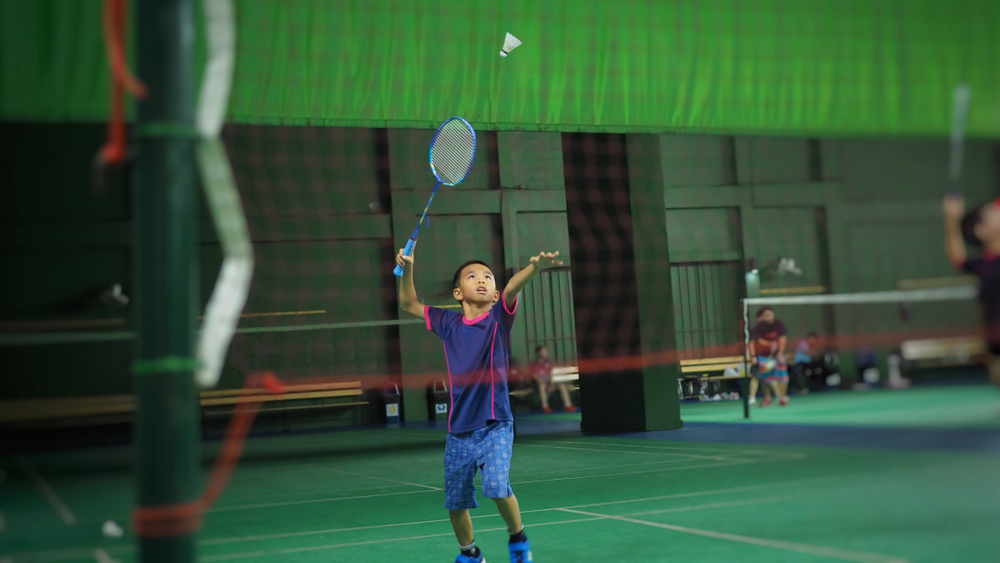
Principal Liu of the Tiger Forest Elementary School stated that the school is a key focus school designated by the government, with a special emphasis on students’ physical development. The school believes that exercise can strengthen students’ learning abilities. They have adopted the “Anytime Exercise” program based on the research of John J. Ratey, MD, a clinical assistant professor of psychiatry at Harvard Medical School. This program advocates for students to be engaged in exercise at all times, hence the name “Anytime.” During breaks, students would run to any part of the playground to exercise, some playing dodgeball, some climbing the monkey bars, and others playing badminton. All students enjoy every moment of exercise.
The Benefits of Exercise: Strengthening Brain Function
It is well known that exercise has the effect of strengthening the body, and in Ratey’s research, he pointed out more about the benefits of exercise on the brain. He described the brain as the center for processing information, transmitting messages through different pathways using various transmitters (chemicals). During exercise, the brain can effectively produce more transmitters and strengthen pathways, allowing messages to be transmitted faster and more accurately.
Applying this theory to learning, students can enhance their brain function through exercise, thereby improving their learning effectiveness. Research has confirmed that exercise can improve students’ concentration and memory, both of which are essential for successful learning. Furthermore, exercise can stimulate the brain to produce dopamine (a chemical that brings happiness), enabling students to learn joyfully, which naturally leads to better academic performance.
How to Make Children Love Exercise?
For children to enjoy the time and benefits of exercise, parents must help them develop a love for exercise. Here are three suggestions:
Anytime Exercise
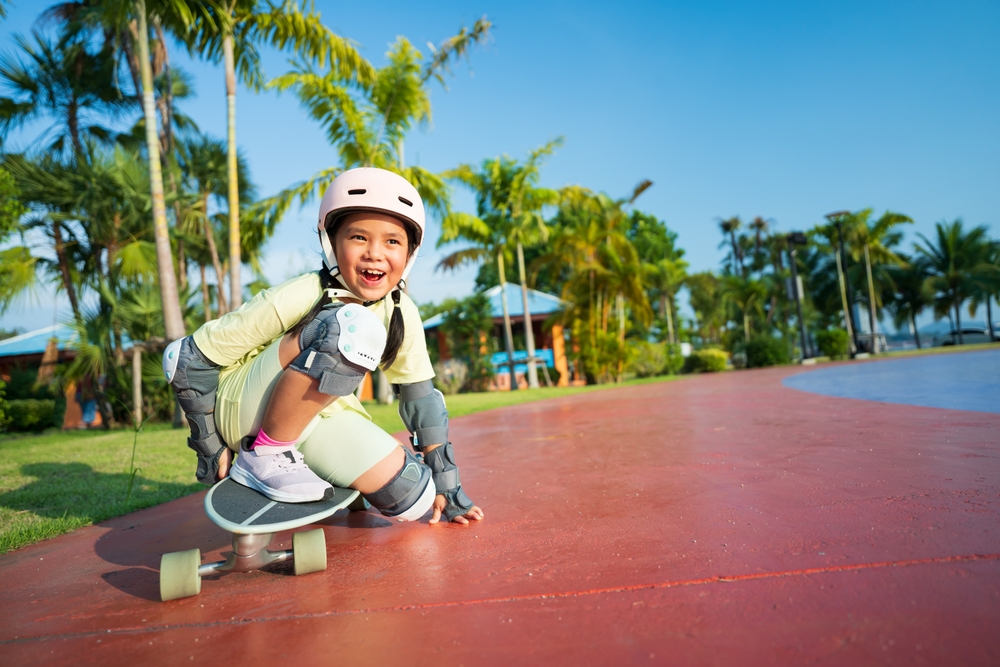
Provide children with more opportunities for exercise, suitable time, tools, and space, while ensuring the safety of the environment.
Healthy Exercise
Teach children to exercise for the sake of their health and emphasize the benefits of exercise on health.
Exercising Together
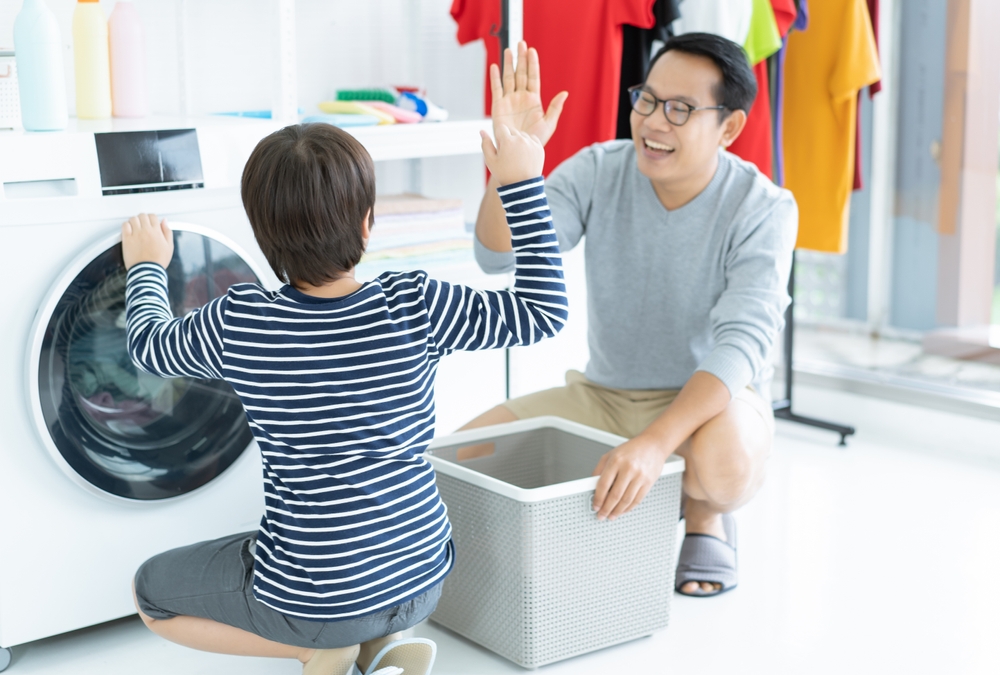
Exercise with children more often, enjoy the moments of exercise and savor the wonderful time with family.
Written by: Pang Chi Wah, Registered Educational Psychologist at the New Horizons Development Centre
Some parents have the following thoughts about rewards: “The original intention was to praise the child’s good performance, but now the reward seems to have become a bribe.” “He has become utilitarian, calculating the degree of his effort based on the size of the reward.” “Sometimes I even feel that the child has become greedy. The rewards that once attracted him no longer have the original effect. Only by providing richer rewards is he willing to make an effort.”
In fact, in the commercial society where adults are located, bosses also use rewards and bonuses to praise employees’ outstanding work performance and inspire employee morale. Many early childhood education experts have also proposed a reward system, using children’s favorite food, toys, etc., to train and cultivate their good behavior habits. Rewards have become our usual way, but parents’ worries are not unfounded. How can we reduce the side effects of rewards?
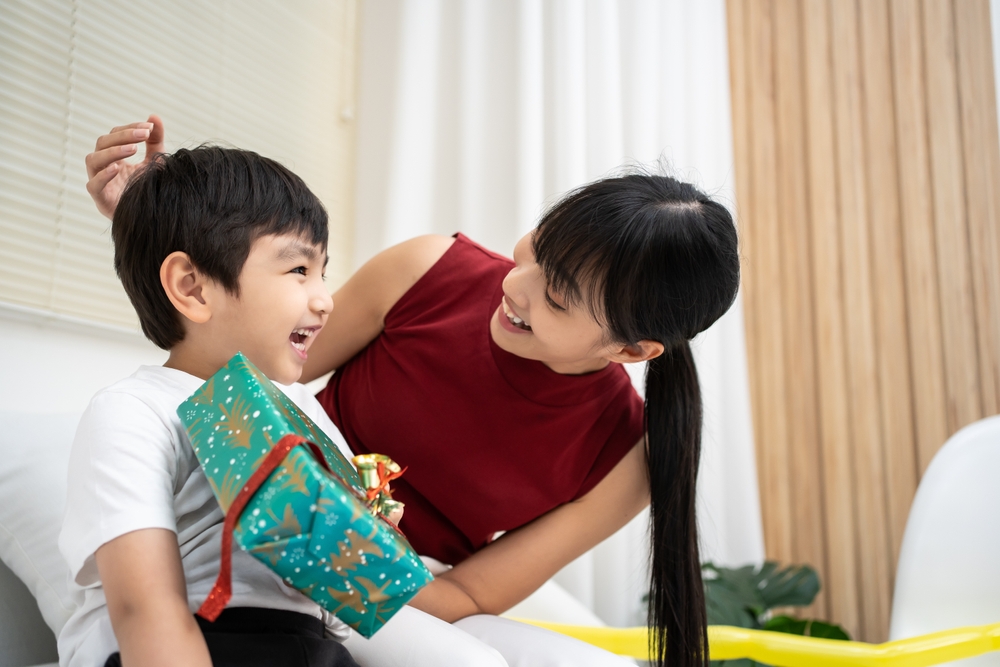
There are mainly two directions to reduce the side effects of rewards. One is that parents can change the type of rewards, and at the same time, they must not encourage children with money, otherwise it will make children prioritize money and everything will be based on materialism. The rewards given by parents can be changed from one-time enjoyment such as food, gradually transformed into long-term gifts, such as entertaining toys, academic stationery, etc., and later can be rewarded spiritually, such as parents giving certificates, applause and other non-material encouragement.
The second approach is that parents can gradually reduce the proportion of rewards given according to the following three criteria:
Increase the number of expected behaviors completed by the child before giving a reward.
Example: If parents expect the child to put the toys away in the toy box after playing, initially, parents may need to give stickers as encouragement for the child to be willing to tidy up the toys; afterwards, the child should put the toys in the toy box several times on their own before the parents give sticker rewards.
Raise the standard of requirements according to the child’s performance, and only give rewards after the child completes behaviors of higher difficulty.
Example: Initially, as long as the child puts all the toys in the box, they can be given sticker encouragement. Then the requirements can be raised, the child needs to put all the toys in the box, and carefully organize the toys and place them properly to get the sticker.
When the child is relaxed and happy or makes a request, parents can make demands on the child without providing rewards.
Example: The child requests to watch their favorite TV show, the parent proposes that the child needs to tidy up the toys into the toy box before they can watch TV.
Through these two principles, parents can systematically dilute the function of external material rewards, let children internalize the motivation behind completing good behaviors, gradually reduce dependence on external encouragement, and make them gain a sense of success from within as the main source of their learning motivation.